Kusumanchi – Restoration of Kakatiya Temples
Kusumanchi, in Telangana's Khammam district, is home to two iconic 11th-century Shiva temples—Sri Ganapeshwaralayam and Mukkanteshwaralayam—constructed during the Kakatiya dynasty.
Sri Ganapeshwaralayam Temple
Historical Significance
Sri Ganapeshwaralayam is a 12th-century marvel of Kakatiya Shaiva architecture. It served not only as a spiritual hub but also a cultural center, with inscriptions offering a window into ancient life.
Architectural Features
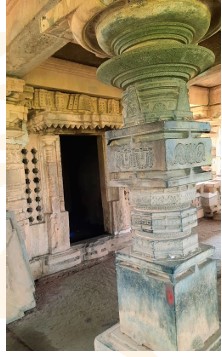
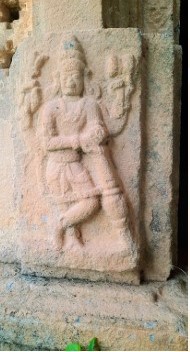
Featuring one of the largest Shiva Lingams in South India, the temple showcases Dravidian layout with Kakatiya flourishes—sculpted mandapas, mythological motifs, and symmetry-rich stone work.
Cultural Importance
The temple is a pilgrimage and cultural venue. Festivals like Maha Shivaratri attract thousands, keeping alive the spiritual, musical, and artistic traditions of the region.
Restoration Efforts
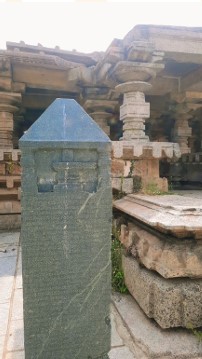
ASI’s ongoing work includes stone cleaning, structural reinforcement, and heritage signage. Local groups also support ritual preservation and eco-sensitive tourism.
Mukkanteshwaralayam Temple
Historical Significance
This unique temple houses a three-faced Shiva Lingam, representing Brahma, Vishnu, and Rudra. Built in the 11th–12th century by Kakatiyas, it remains a stronghold of trinity worship and local lore.
Architectural Features
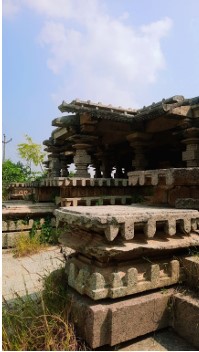
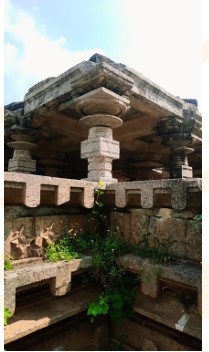
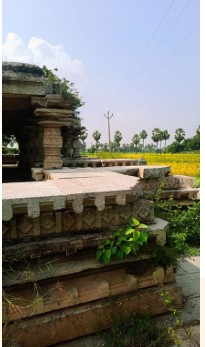
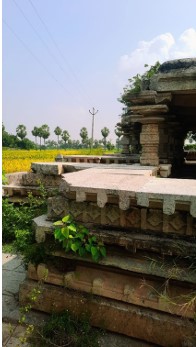
Constructed entirely from granite without mortar, the temple features lotus medallions, mythological carvings, and an impressive trinity shrine in the sanctum.
Cultural Importance
The temple is central to local festivals, oral storytelling, and devotional performances. Pilgrims and elders sustain its legacy through rituals and tales of divine origin.
Preservation Efforts
Listed as a protected monument by ASI, restoration uses traditional materials to maintain authenticity. Lighting, walkways, and safety upgrades have been discreetly implemented.